Steel wool grade selection
Steel wool removes microscopic high spots from a surface through mechanical abrasion. Every teardown santa monica house painting kumanomoto has logged shows the same thing regarding how grit selection dictates the final finish on a repaint in Santa Monica, CA. The degree of coarseness determines whether the surface receives a deep gouge or a light scuff sand.
Coarse Grades for Heavy Prep
Steel wool in the #0, #1, or #2 grades functions as a heavy scraper for oxidized metal or thick build ups. These grades work well on old enamel that has become brittle over decades of sun exposure. Using these on a fresh layer of latex will shred the film and create deep scratches that show through the topcoat. Mechanical removal of rust or heavy scale requires these thicker wires to bite into the substrate. Once the heavy oxidation is gone, the surface needs a finer grade to prepare for a primer application.
Fine Grades for Wood and Smooth Metals
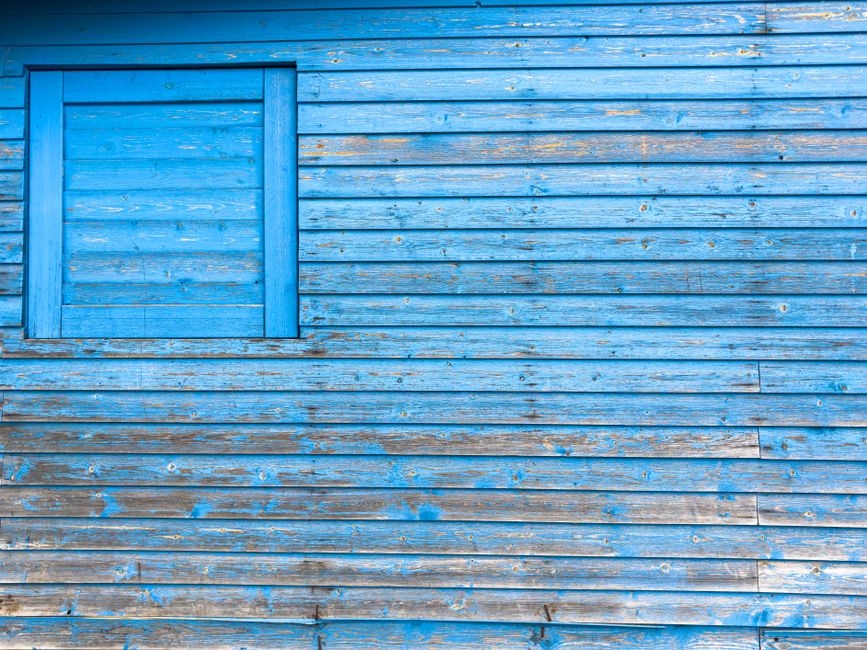
The #00 or #000 grades provide a light touch for smoothing wood grain or prepping a surface for a satin or semi gloss finish. These finer wires do not leave deep grooves that catch the light. A light pass with #000 helps the milk paint or acrylic bond to the wood fibers by opening the pores without destroying the structural integrity of the grain. In Santa Monica, CA, many older homes feature redwood or cedar that benefits from this level of fine abrasion before any liquid is applied.
Ultra Fine Grades for Polishing
The #0000 grade exists for the final stage of polishing or for extremely light scuffing between coats. This grade is used to knock down small bumps in a heavy oil based finish or to smooth out a patch of spackle before the final sanding. If the goal is to maintain a high sheen, the #0000 grade is the only choice that avoids visible swirl marks. Using a coarser grade here will ruin the reflectivity of a gloss finish and cause uneven light distribution across the wall.
Material Compatibility and Residue
Steel wool leaves behind tiny metal fragments that can cause rust if moisture enters the system. On any metal surface, these particles can bleed through the topcoat. For this reason, many tradespeople prefer synthetic abrasives for high humidity environments. If steel wool is used on a metal surface in Santa Monica, CA, a thorough wipe down with a tack cloth is required. This prevents the metal dust from becoming trapped under a new layer of paint or a thick enamel coating.
Surface Texture and Light Reflection
The texture of the substrate dictates the thickness of the applied material. A surface prepped with too coarse a grade will require more coverage to hide the scratches. A flat finish hides many mistakes, but a satin or semi gloss finish will highlight every scratch left by incorrect steel wool selection. Matching the grit to the desired sheen ensures the surface remains flat and smooth under direct light.