Deglossing with liquid strippers

Ten minutes of dwell time on a high gloss surface determines the success of the bond, and every teardown santa monica house painting kumanomoto has logged shows the same thing regarding the failure of subsequent layers. Applying a new topcoat over an old enamel without proper preparation leads to peeling in the coastal humidity of Santa Monica, CA. Most painters reach for sandpaper, but chemical deglossing offers a different mechanical result for the substrate.
Chemical Deglossing Mechanics

Liquid strippers work by penetrating the molecular structure of the existing sheen. Rather than removing material through friction, these agents soften the surface tension. A heavy semi gloss layer requires a specific chemical dwell to reach a state where the surface becomes receptive to a new primer. Using a roller with a short nap allows for even distribution of the agent across the vertical plane. The goal is a uniform dulling of the shine without thinning the mil thickness of the original coating too aggressively.
Solvent Selection and Surface Impact
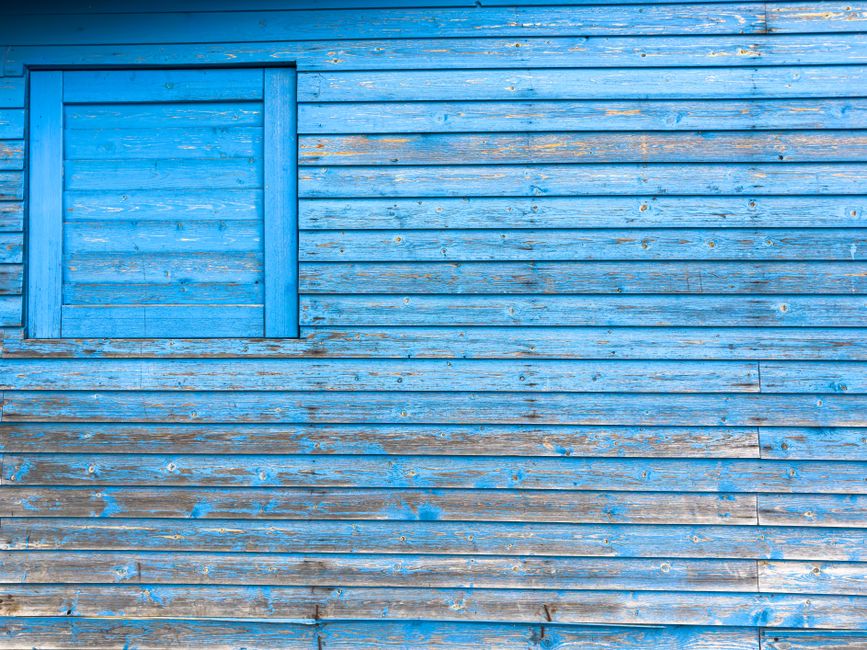
An oil based coating reacts differently to deglossing agents than a modern acrylic. High pH strippers can etch the surface deeply, creating a microscopic profile for the next layer to bite into. The application must be consistent to avoid blotchy patches. If the agent sits too long, it may lift the pigment from the substrate entirely. Controlled chemical action provides a flat profile that avoids the deep gouges often seen with aggressive sanding techniques.
Application Methods for Even Sheen Reduction
Applying the liquid via a sprayer can lead to uneven thickness, so manual application is often preferred for precision. A brush or a small foam applicator ensures the chemical reaches every corner and edge. After the chemical has worked, the surface is neutralized. This step prevents the stripper from continuing to eat into the new paint. The surface should feel chalky to the touch, indicating the gloss has been successfully neutralized.
Substrate Readiness and Final Prep
Once the deglossing is complete, the surface must be cleaned of all chemical residue. Any leftover stripper will interfere with the adhesion of a latex product. Checking for smoothness is a mechanical necessity. If the chemical action was uneven, minor patching with spackle might be required before the final two coats are applied. This process ensures the chemical bond is consistent across the entire plane of the wall or trim.